
5 Simple Ways to Track Habits Without Overthinking It

Building a life you love starts with the daily routines you choose to repeat. However, learning how to track habits shouldn't feel like a demanding second job that drains your limited energy.
Many people accidentally abandon their goals because they overcomplicate the monitoring process with complex apps. You can successfully track your progress by using incredibly simple, low-effort methods like paper checklists or habit stacking.
Shifting to a minimalist approach will save your sanity and keep you consistently moving forward. In this guide, we will provide five practical, stress-free strategies to measure your personal growth without burning out.
Low-Friction Manual Habit Tracking Methods
Building consistent routines becomes much easier when choosing simple, analog approaches instead of complex digital applications. These low-friction methods keep focus entirely on actual progress rather than spending time on complicated setups.
Consequently, daily consistency is easier to master by adopting these reliable manual tracking frameworks.
1. Use a Basic Checkmark Habit Tracker System
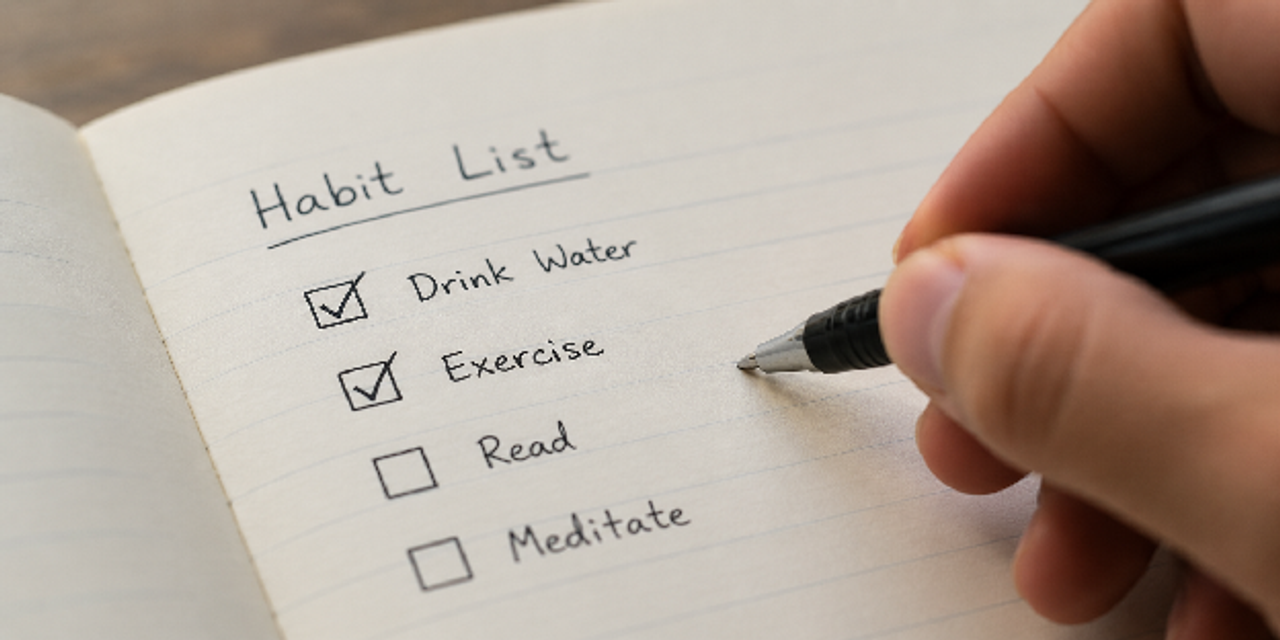
Checking off a completed task is a simple and rewarding way to track your daily progress. This easy approach eliminates stressful charts and graphs so you can focus entirely on taking action. Best of all, seeing your clean pages fill up with marks quickly builds your confidence.
You can easily master this fun routine by following this list every single day:
- Choose 3 to 5 core habits only
- Write them in a visible place
- Mark each habit when completed
- Avoid tracking perfection or streak pressure
- Reset the tracker daily or weekly
This approach works best when paired with consistent timing. For example, updating your tracker every night creates a stable feedback loop that reinforces your productivity tracker without disrupting your flow.
2. Habit Stacking Within Your Daily Routine
Linking a brand-new goal to an old, automatic routine makes building habits much easier. Regular chores happen without much thought, making them perfect anchors for fresh positive changes. Because of this, established triggers naturally prompt the next healthy activity on your list.
Creating these simple daily pairs will quickly supercharge your personal growth:
- Morning coffee → review your daily habit tracker
- After brushing teeth → write tomorrow’s priorities
- Lunch break → drink water and log progress
- After work → check completed habits
- Before bed → quick routine planner review
This method becomes even more effective when you keep the stack small and consistent. If you overload it with too many behaviors, the system breaks down. The goal is smooth integration, not complexity.
3. Visual Habit Tracker Using a Calendar System
Big, colorful charts on a wall calendar turn boring daily routines into an exciting matching game. Every bright mark gives an instant reward, keeping motivation high all week long. As a result, a glance reveals patterns and instantly spots missed days.
Check out this simple weekly template that proves how fun watching growth can be:
| Day | Habit 1 | Habit 2 | Habit 3 | Notes |
|---|---|---|---|---|
| Mon | ✔ | ✔ | ✔ | Good start |
| Tue | ✔ | ✖ | ✔ | Missed workout |
| Wed | ✔ | ✔ | ✔ | Strong day |
| Thu | ✔ | ✔ | ✖ | Low energy |
| Fri | ✔ | ✔ | ✔ | Consistent |
| Sat | ✔ | ✔ | ✔ | Best day |
| Sun | ✔ | ✖ | ✔ | Partial recovery |
This method works best when you avoid perfectionism. The purpose is not to create a flawless record but to understand patterns in your daily habit tracker and adjust your routine planner accordingly.
System-Supported Habit Tracking Methods
Smart digital tools can easily do the heavy lifting for you when building daily routines. This helpful automation keeps you moving forward without forcing you to remember every little detail yourself.
Therefore, staying on track becomes effortless when using these modern systems to support your growth.
4. Use Minimal Digital Habit Tracker Apps
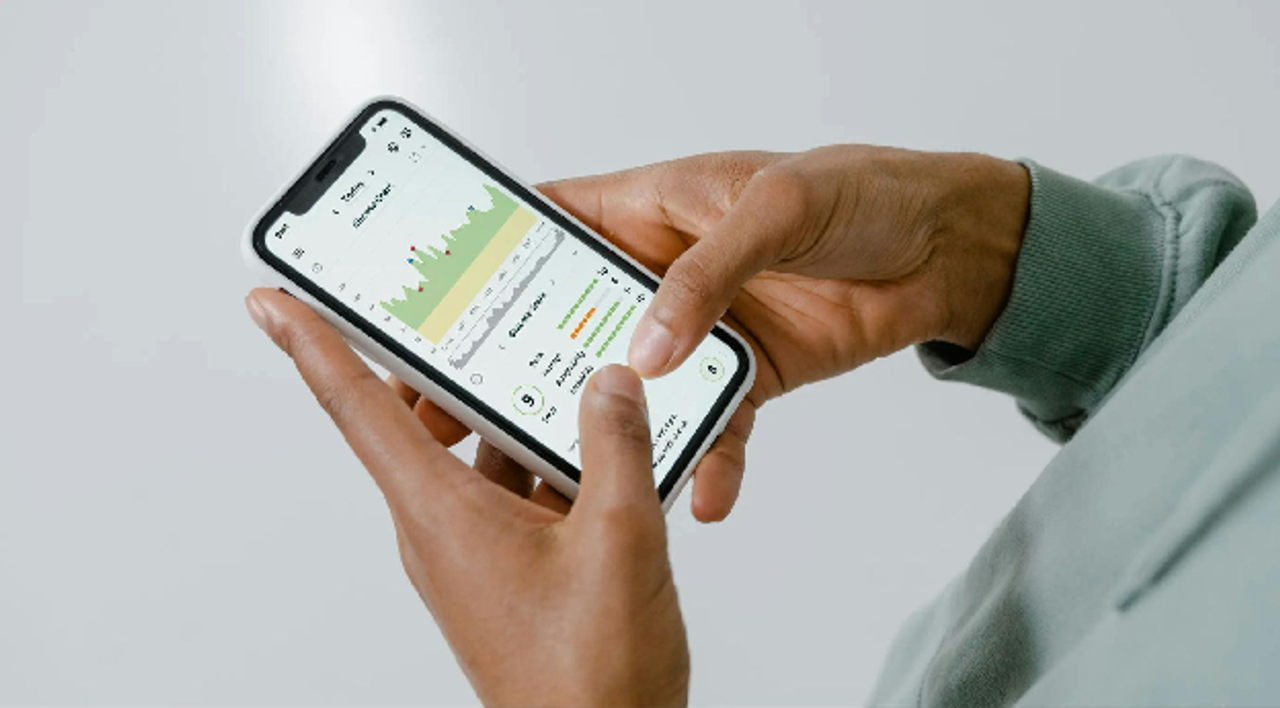
Smartphone applications keep your daily goals organized right inside your pocket for quick updates anywhere. Excellent tools focus entirely on speed so you can log accomplishments without facing annoying distractions. This way, staying disciplined takes just a few seconds instead of feeling like a boring chore.
Compare these specific features to help you pick the perfect lightweight application today:
| Useful Features | Features to Avoid |
|---|---|
| One-tap check-ins | Overcomplicated dashboards |
| Simple reminders | Constant notifications |
| Weekly summaries | Excessive analytics |
| Clean interface | Gamification overload |
| Easy habit editing | Complex setup process |
The best approach is to treat apps as a support tool rather than the center of your productivity system. Your focus should always remain on building habits, not optimizing the tool itself.
5. Weekly Habit Review System for Long-Term Consistency
Taking time to check your progress once a week takes away the scary pressure of being perfect every day. Looking at the bigger picture lets you spot cool patterns without feeling bad about occasional mistakes. Thanks to this calm approach, your mind stays fresh and motivated for the long journey ahead.
Follow these simple steps to help you adjust your strategy for an amazing week:
- Review your completed habit tracker for the week
- Identify habits that were consistent and easy
- Notice patterns in missed or difficult habits
- Remove or simplify anything unrealistic
- Choose one improvement for the next week
This system works because it shifts your mindset from judgment to analysis. Instead of asking “Why did I fail today?”, you start asking “What pattern is helping or hurting my consistency?” That small change improves your ability to build habits sustainably.
Why Most Habit Tracking Systems Fail?
You might think building better routines requires a high-tech system, but excessive complexity will quickly sabotage your progress. In fact, managing a convoluted setup often demands more energy than practicing the actual habits you want to build. Because of this friction, you will likely abandon your routine when your tracking system becomes too overwhelming.
Instead, you can easily avoid these common pitfalls by recognizing the core reasons your habits aren't sticking:
- System complexity exceeds the actual habit requirement: Choosing overdesigned tools creates unnecessary friction.
- Too many habits are tracked at the same time: Scattering your focus burns out your willpower rapidly.
- Motivation is relied on instead of reducing friction: Relying on fleeting willpower fails when discipline fades.
- Perfection becomes more important than consistency: Obsessing over unbroken streaks kills long-term resilience.
- Frequent switching between tools disrupts routine stability: Constantly changing apps breaks your momentum and focus.
Summary Table: 5 Simple Ways to Track Habits
| Method | Best Use Case | Effort Level | Key Benefit |
|---|---|---|---|
| Checkmark system | Beginners | Very low | Fast execution |
| Habit stacking | Busy schedules | Low | Automatic routines |
| Visual calendar tracker | Motivation through progress | Low | Clear patterns |
| Digital habit apps | Mobile users | Medium | Convenience |
| Weekly review system | Long-term consistency | Low | Strategic improvement |
Conclusion
By choosing a frictionless system, you now have the clarity needed to master how you track daily habits. This structural approach ensures your routine supports consistent growth without draining your mental energy.
Transitioning from over-optimization to simple repetition marks a profound shift in your mindset. You are no longer trying to perfect the process, but rather aiming to make execution entirely effortless.
To turn this insight into action, select a single method and apply it immediately today. By keeping your approach minimal, you will easily build sustainable momentum through daily practice.
FAQs
What is the simplest way to track habits?
The simplest way is a checkmark-based habit tracker where you mark whether you completed a habit each day. It requires minimal effort and is easy to maintain.
How do beginners start habit tracking?
Beginners should start with 3 to 5 small habits, use a basic daily habit tracker, and avoid complicated apps or systems until consistency is built.
Is a digital habit tracker better than paper?
Neither is universally better. A paper system is more distraction-free, while digital tools offer convenience. The best choice is the one you will consistently use.
How many habits should I track at once?
It is best to track a small number, usually between 3 and 5 habits. This prevents overwhelm and improves follow-through.
Why do habit tracking systems fail?
They fail because they are too complicated, require too much time, or focus on perfection instead of consistency.
Should I track habits every day or weekly?
Daily tracking helps with awareness, while weekly reviews help with reflection. The most effective approach is combining both.
Can habit tracking really improve productivity?
Yes, a simple productivity tracker like Traklo helps you identify patterns, maintain focus, and reinforce behaviors that improve your daily routine.